Israeli Iron Dome Deployed to the UAE in Iran War
Israeli Iron Dome Deployed to the UAE in Iran War
Iran War News: May 12, 2026
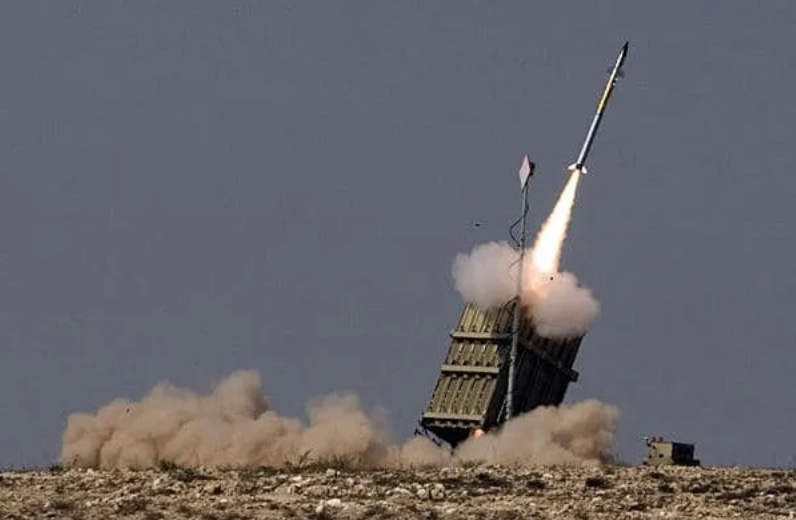
Israel’s Iron Dome in Action
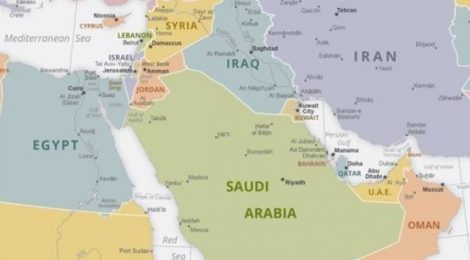
The recent revelation that Israel deployed Iron Dome anti-missile batteries and military personnel to the United Arab Emirates during the current Iran War marks an historic turning point in Middle Eastern power politics. Israeli soldiers helping defend an Arab Gulf state from Iranian missile and drone attacks was an unthinkable development. It is now reality due to the war with Iran and the mutual threat posed by Iranian aggression. The development highlights not only the growing strategic partnership between Israel and the Gulf monarchies, but also the emergence of a regional coalition determined to deter Iranian aggression.
According to multiple reports, including confirmation from U.S. officials, Israel transferred Iron Dome missile-defense systems to the UAE and sent military personnel to operate the Iron Dome systems during Iranian attacks against Gulf targets. The move reportedly marked the first known operational deployment of Iron Dome outside Israel itself. That fact alone underscores how dramatically relations between Israel and the Arab Gulf states have evolved since the signing of the Abraham Accords in 2020.
For decades, relations between Israel and many Arab governments were defined by hostility, suspicion, and the lingering effects of the Arab-Israeli wars of the 20th century. Yet Iran’s increasingly aggressive regional policies, which include missile strikes, drone attacks, sponsorship of militant terrorist proxies, and threats to Gulf shipping lanes, have all fundamentally reshaped regional priorities. Gulf states such as the UAE increasingly view Iran as the primary threat to regional stability, and Israel as a potential valuable strategic partner with advanced military capabilities.
The cooperation between Israel and the UAE demonstrates that the Abraham Accords were not merely symbolic diplomatic agreements, but the foundation for genuine security collaboration. Israeli technology, intelligence sharing, and missile defense systems now play a direct role in protecting Sunni Arab populations from Shiite Iranian attacks. This growing partnership benefits both sides: Israel gains stronger regional allies, while Gulf states gain access to some of the world’s most advanced missile defense systems and military expertise.
Just as importantly, this cooperation sends a powerful deterrent message to Tehran. Iran has long attempted to intimidate its neighbors through asymmetric warfare, missile strikes, and proxy militias. A coordinated regional defense network involving Israel and key Arab Gulf states complicates Iran’s strategic calculations and raises the potential costs of future aggression by Tehran. The emergence of this de facto anti-Iran security bloc may help stabilize the region by discouraging further escalation.
While deep political disagreements still exist throughout the Middle East, the current conflict has accelerated a historic realignment. Israel and the Gulf Arab states increasingly recognize that cooperation, not confrontation, offers the best path toward regional security and economic stability. The deployment of Iron Dome batteries to the UAE may therefore be remembered not simply as a wartime necessity, but as a defining symbol of a new Middle East taking shape.