Redemption and Second Chances: When Hawkeye, Scarlet Witch, and Quicksilver Joined the Avengers
When Marvel comic book readers opened the pages of Avengers #16 in 1965, they were greeted by one of the most unexpected roster changes in superhero comics history. The original Avengers lineup of Iron Man, Thor, Giant-Man, and the Wasp, all stepped aside, leaving Captain America to lead an entirely new team composed of Hawkeye, Quicksilver, and the Scarlet Witch. On paper, the group looked less like Earth’s Mightiest Heroes and more like a collection of former troublemakers barely trusted by society. Yet that unlikely combination became one of Marvel’s greatest stories about redemption and second chances.
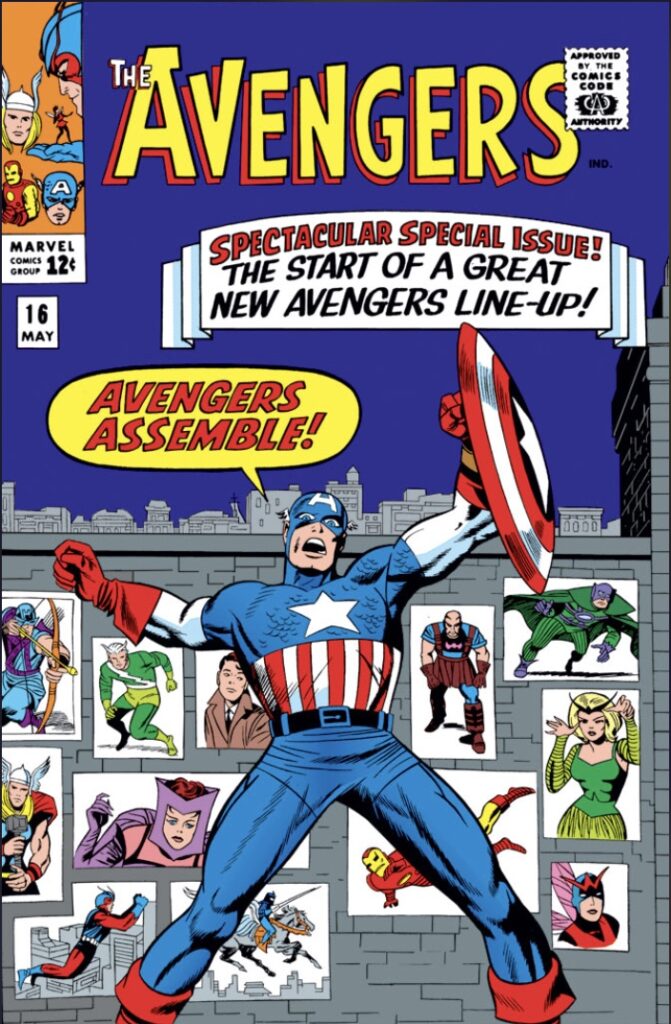
Captain America and his new team in Avengers #16 (Cover)
At the center of the new team stood Captain America, the living symbol of heroism and integrity. Having only recently returned to modern society after decades frozen in ice, Steve Rogers himself was struggling to find his place in a changed world. In many ways, that made him the perfect leader for a team of outsiders. Rather than judging his new teammates solely by their past mistakes, Captain America believed they could become better people.
That faith was especially important for Wanda and Pietro Maximoff, the Scarlet Witch and Quicksilver. Before joining the Avengers, the twins had served in Magneto’s Brotherhood of Evil Mutants in the pages of the X-Men series. Although they were often portrayed sympathetically, they were still associated with one of Marvel’s most dangerous mutant villains. Magneto had manipulated and exploited them, and their time in the Brotherhood left them feared and distrusted by both regular humans, mutants, and superheroes alike.
The Avengers offered the twins something they had rarely experienced: acceptance. For the Scarlet Witch in particular, joining the team marked the beginning of a long journey from reluctant villain to respected hero. Quicksilver, meanwhile, carried a defensive bitterness born from years of persecution, but his devotion to protecting his sister revealed a fundamentally decent person beneath the very real arrogance and impatience.
Hawkeye represented another kind of redemption. Introduced earlier in Tales of Suspense, Clint Barton had initially clashed with Iron Man after being falsely accused of crimes. His rebellious personality and tendency to act before thinking often placed him on the wrong side of the law. Unlike the refined and polished heroes who typically filled superhero teams, Hawkeye was rough around the edges, emotional, and openly insecure. Yet those flaws made him relatable. Beneath his bravado was a man desperate to prove he could be more than society expected him to be.
What made this Avengers lineup memorable was not overwhelming power. Compared to teams featuring Thor or the Hulk, the roster of Captain America, Hawkeye, Quicksilver, and Scarlet Witch seemed almost underpowered. But that weakness became a strength from a storytelling perspective. These characters had to earn trust, both from the public and from one another.
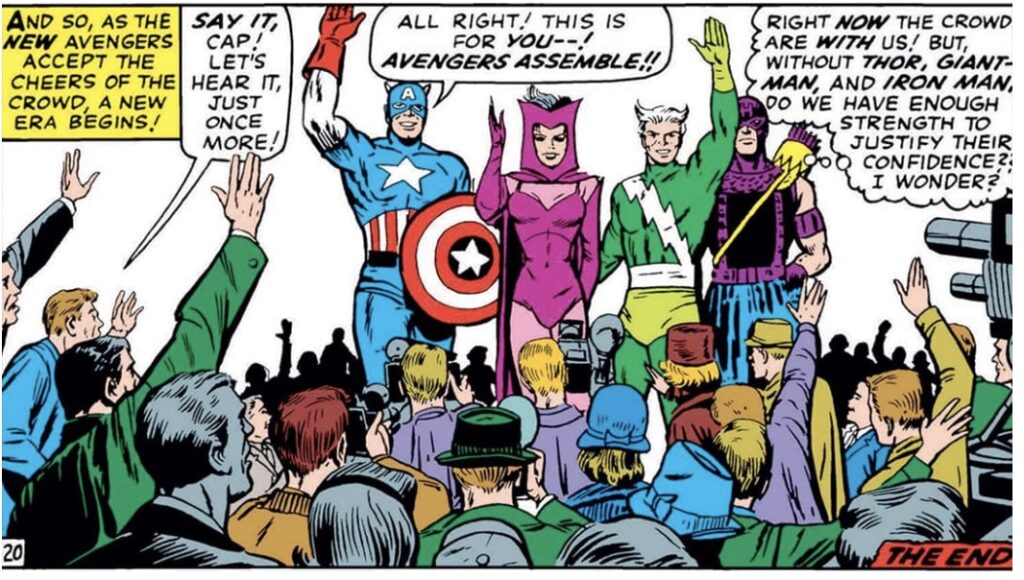
Captain America introduces the new Avengers team in Avengers #16.
In many ways, Avengers #16 helped define Marvel’s signature style of superhero storytelling. Heroes were no longer flawless icons. They could be former villains, misunderstood outsiders, or deeply flawed individuals trying to do better. Under Captain America’s guidance, as “Cap’s Kooky Quartet,” as fans came to call them, proved that heroism is not about having a perfect past. It is about choosing, day after day, to rise above it and do the right thing.
See also: Pre-Avengers #16 Hawkeye, Scarlet Witch, and Quicksilver Appearances
————-
Please check out my Substack’s So Many Comics, So Little Time Notes page and please subscribe to my newsletter.
Subscribe to our Newsletter at:
https://somanycomicssolittletime.substack.com
Visit our YouTube Channel at: https://www.youtube.com/channel/UC5BkwDpFBPEXQx13pLL7QYA
Recent Comments