250 Years of American War: From No Standing Army to Today’s Forever Wars
As the United States celebrates its 250th anniversary in 2026, it is worth looking back not simply at the wars America has fought, but at how the nation’s relationship with war has changed over the course of two and a half centuries. The length of America’s wars, the length of peace between them, the places where they have been fought, as well as the attitudes of the American people toward military intervention have all evolved dramatically since 1776.
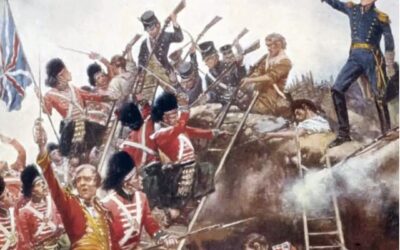
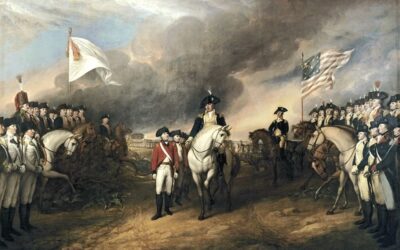
The earliest American wars were generally short, regional conflicts fought close to home. The Revolutionary War lasted roughly eight years from Lexington and Concord in 1775 until the Treaty of Paris in 1783, and after that war, the new U.S. really did not even keep a standing army. The War of 1812 lasted less than three years. Even the Mexican-American War, though larger in scale, concluded in under two years. Most military operations during the nation’s first century involved conflicts with Native American tribes along the expanding frontier or brief interventions against neighboring powers in Latin America and the Caribbean.
The Civil War stands as the great exception of the 19th century. Lasting four brutal years, it remains by far the deadliest conflict in American history. Yet even this war was fought entirely on American soil, with nearly all of the destruction occurring within the nation’s own borders. For most Americans during the first hundred years of independence, war was something experienced at home or along the frontier, not halfway around the globe.
The Spanish-American War of 1898 marked a turning point. In only a few months, the United States defeated Spain and emerged with overseas possessions in Puerto Rico, Guam, and the Philippines. America had become a global power almost overnight. Yet victory over Spain immediately produced new military commitments. Filipino nationalists, who had expected independence rather than American rule, launched the Philippine-American War (1899-1902), followed by several years of smaller insurgencies. At nearly the same time, American troops joined the international intervention during China’s Boxer Rebellion in 1900, marking the beginning of a much larger American military and diplomatic role in East Asia in support of the Open Door Policy and the protection of American commercial interests. Closer to home, successive administrations increasingly viewed stability in the Caribbean Basin and Central America as vital to American security. This produced a long series of military occupations, interventions, and the so-called “Banana Wars” in Cuba, Panama, Nicaragua, Haiti, the Dominican Republic, Honduras, Mexico, and elsewhere. By the time the last U.S. Marines departed Haiti in 1934, the United States had spent more than three decades policing an informal American sphere of influence throughout much of the Western Hemisphere. The Spanish-American War therefore did not simply expand American territory; it fundamentally transformed the United States from a continental republic into a nation with permanent military responsibilities in both the Pacific and the Caribbean. From this point forward, many of the nation’s major military commitments would occur thousands of miles from its own shores.
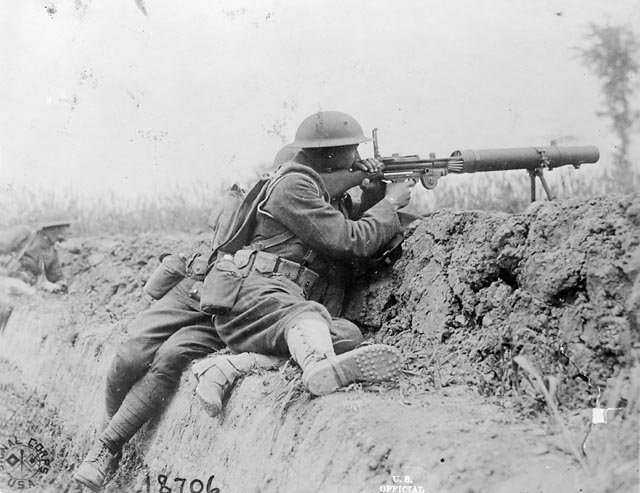
American Soldier World War One
The 20th century transformed American warfare even further. World War One lasted just over a year of actual combat for the United States, but World War Two required nearly four years of total national mobilization. Following victory in 1945, Americans hoped the world had entered a lasting era of peace. Instead, the Cold War produced an entirely different pattern.
Rather than fighting one large global war, the United States found itself involved in a Cold War that consisted of a succession of limited wars and regional conflicts. The Korean War lasted three years. The Vietnam War stretched over a decade of major American involvement. Numerous smaller interventions occurred in Lebanon, Grenada, Panama, Somalia, the Balkans, and elsewhere. American military power became increasingly expeditionary, designed to deploy rapidly almost anywhere in the world.
Just as significant has been the shrinking amount of peace between American wars. During the 19th century, years, sometimes full decades, could pass between major American military conflicts. Since the end of World War Two, however, the United States has rarely experienced extended periods without some form of military operation overseas. Even when large wars ended, counterterrorism campaigns, peacekeeping missions, no-fly zones, naval patrols, and special operations often continued somewhere around the globe.
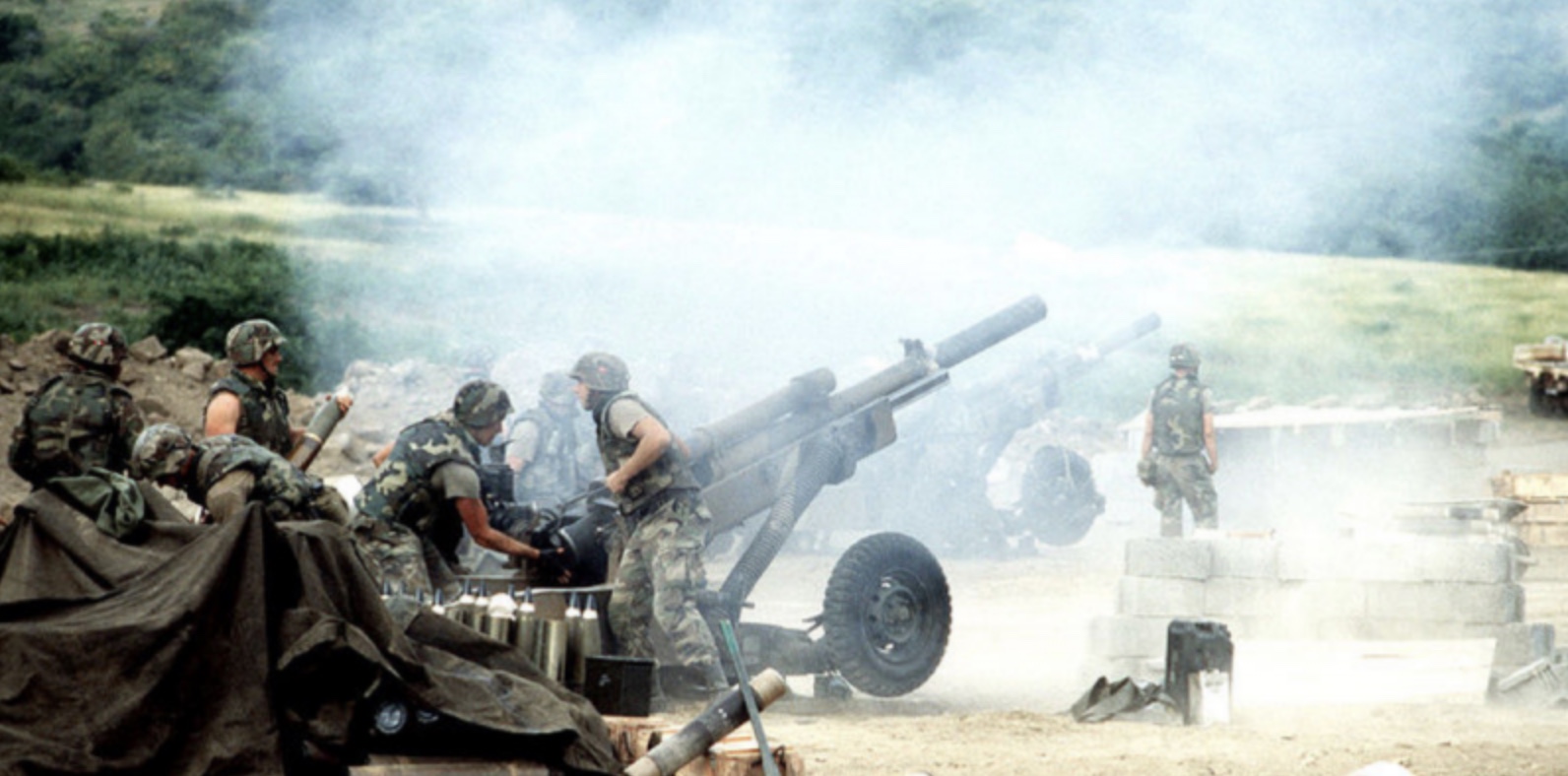
The War on Terror accelerated this trend even further. Following the attacks of September 11, 2001, American military operations during the War in Afghanistan continued for twenty years, making it the longest war in U.S. history. Simultaneously, the United States fought in the War in Iraq while conducting smaller counterterrorism operations across Africa, the Middle East, and parts of Asia. For an entire generation of Americans, the nation was almost continuously at war, even if those conflicts rarely dominated daily life at home.
Public opinion has also changed considerably over the past 250 years. Early American wars generally enjoyed widespread public support because they were viewed as essential to national survival or territorial expansion, though the war with Mexico also gave birth to a vocal anti-war and anti-expansion movement. By contrast, Vietnam demonstrated that lengthy wars with unclear objectives could sharply divide the country. Since then, public support has often depended upon clearly defined goals, limited casualties, and measurable progress. Americans remain strongly supportive of the men and women serving in uniform, but many have become increasingly cautious about prolonged military interventions overseas. The concept of the “Forever Wars” of the 21st century has become almost axiomatic in modern American political discourse.
Today, the United States maintains military alliances, overseas bases, and global commitments on a scale unimaginable to the nation’s founders. American forces routinely operate alongside allies across Europe, the Middle East, the Indo-Pacific, and Africa. The nation that once struggled to defend thirteen colonies and a newly birthed republic now plays a central role in maintaining the international balance of power.
After 250 years, one lesson stands above all others. America has evolved from a young republic fighting for its own survival into a global power whose security interests, for good or ill, extend around the world. The geography, duration, and public perception of its wars have changed dramatically, but each generation has faced the same enduring challenge: deciding when American military force is necessary, when it is not, and how the costs of war should be weighed against the pursuit of peace.
As the current war with Iran slogs on, despite repeated cease-fire announcements, negotiations, and periodic escalations, the notion that America has entered an era of seemingly endless military commitments continues to resonate with many Americans. Whether one dates the beginning of the modern “Forever Wars” from Afghanistan in 2001, or traces their roots back through the Cold War, or even to the global responsibilities assumed after 1898, the trend is unmistakable. A nation whose founders largely distrusted standing armies now maintains the world’s most powerful military and a global network of alliances and overseas deployments.
What would Washington, Adams, Jefferson, and the other Founding Fathers think about the state of warfare that America has engaged in now for more than a quarter century? That is a question worth pondering as the United States enters its third century of independence.